

Why Documenting Decisions Matters
In Atomic Habits, James Clear introduces the idea of a decision journal as a tool to track thinking, expectations, and outcomes. The purpose is not to create a perfect choice every time but to bring awareness to how and why you choose a particular route.
When you look back, you can see which decisions helped you grow, which ones missed the mark, and what influenced you in the moment. This often exposes details you never considered and assumptions you did not realize you held.

As I reflected on my own past decisions, I realized how many factors affected outcomes that I never wrote down. Some decisions helped my employees and community. Some drained resources or created unforeseen challenges. A journal brings these insights into the open so you can make clearer choices going forward.
Building a Second Brain for Decision Making
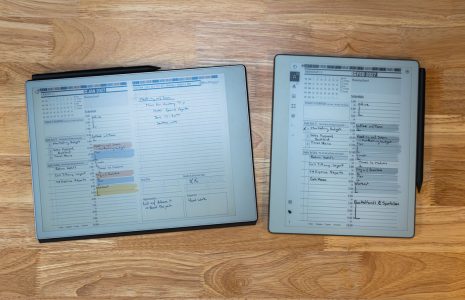
The decision journal we developed is built to work across several platforms including reMarkable, OneNote, GoodNotes, iPad, Windows, and Android devices. No matter the device, the structure is simple and intentional.
The first page is the Decision Board. This is where you unload your thoughts without committing to action. It acts like a second brain, giving you a place to write out ideas, questions, concerns, and early observations.
Instead of rushing into a solution, you begin by exploring the decision from different angles.
Clarifying the Choice in Front of You
Once the initial thoughts are down, the journal guides you into defining the decision clearly. This includes:
- The purpose behind the decision
- Context that others would need if you had to present the idea
- Who is impacted and who should be considered in the process
- Your own role and how you will stay accountable
- Possible outcomes, both favorable and realistic
Seeing this in writing often shifts how you think. It forces clarity. It makes you consider the ripple effect beyond your own perspective.
Moving Into Analysis
A full SWOT breakdown is included so you can study the strengths, weaknesses, opportunities, and threats linked to the choice. Once you have reviewed everything, you write the formal decision.
This is followed by:
- Key metrics and vitals
- Goals tied to success
- Challenges you expect
- The first steps you need to take
Leaders often struggle not because of the decision itself but because of unclear next actions. This part of the journal removes that uncertainty.
Tracking the Decision Over Time
A decision does not stop at the moment you choose a direction. It evolves. It interacts with new information and external forces. Even the things you did not know you did not know start to appear.
The journal includes pages to check in at the one week, one month, three month, six month, and one year marks. At each stage, you record:
- Results
- Adjustments you made
- How KPIs shifted
- What surfaced that you did not expect
These check ins reveal the real value of the decision. They show how flexibility, awareness, and small course corrections create stronger outcomes.
The Role of Adaptation
Adaptation is where leaders grow the most. As decisions play out, new conditions rise to the surface. These moments guide you toward better routes you could not have predicted.
Charting these adaptations helps you build a deeper understanding of your own leadership style. You start to see your blind spots, your strengths, the patterns in how you respond to pressure, and the habits that either help or slow your progress.
Reflecting After One Year
At the end of the cycle, the journal brings everything together. You write out the final outcome, what worked, what did not work, and what hindsight taught you. This step becomes a training tool for future decisions.
You also compare the role you played at the end with the role you expected at the start. Leaders grow, shift, and uncover new responsibilities as decisions unfold. Writing this down creates accountability and insight for the next year.
Why This Tool Matters
If your goal is to make better choices, support your team with clarity, and understand the long term effects of your decisions, a journal like this becomes invaluable. It gives you a structured method to examine the strengths, weaknesses, opportunities, and threats tied to any choice. It also helps you capture information that usually fades with time.
If you want to explore the decision journal or see the templates, visit our site and take a look. And if you have questions about using the journal in your workflow, I am always open to a conversation.